

Is Your License Suspended Immediately After a DUI in California?
Driving under the influence (DUI) is a serious offense that comes with steep consequences. In fact, a person could face hefty fines and jail time for such an offense. In addition to this, a person could potentially have their license suspended if they are arrested for DUI. The extent of a license suspension depends on the circumstances of the DUI. However, some people may ask, is your license suspended immediately after a DUI in California?
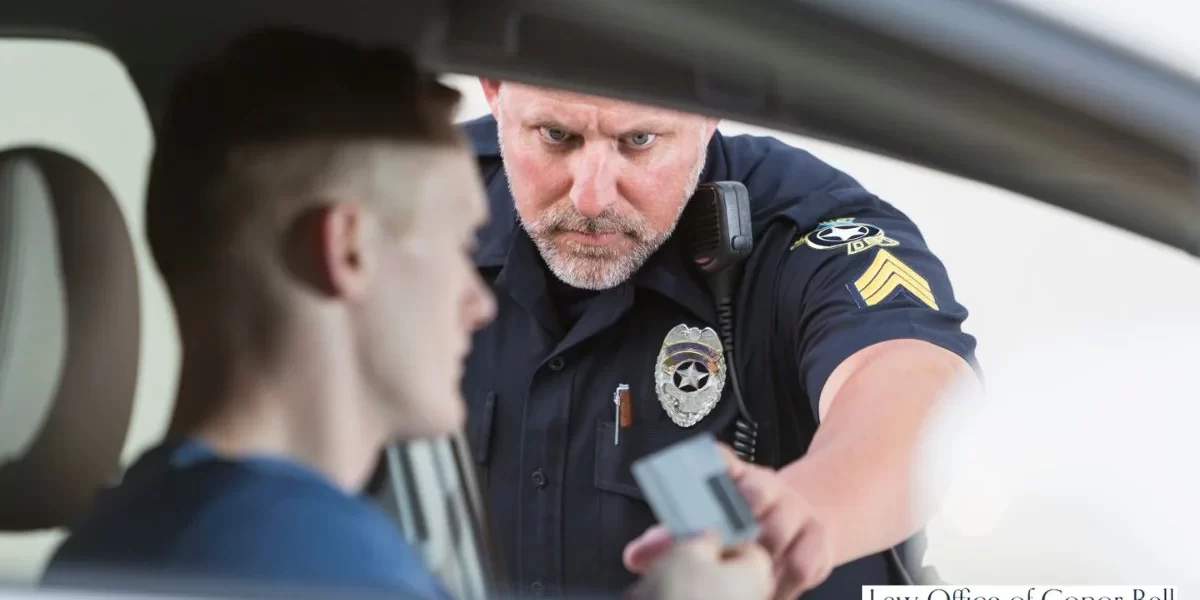
In most California DUI cases, a driver does not lose the ability to drive immediately after the arrest. An officer may take the driver’s physical California license and issue an Order of Suspension and temporary license, which generally allows the person to drive for up to 30 days. The driver typically has 10 days from receiving the notice to request a California DMV administrative hearing to challenge the suspension. If the notice is mailed, the DMV may allow 14 days from the date of the notice. A dedicated Napa DUI lawyer can help you understand your license suspension if you have been arrested for a DUI.
DUI in California
In California, it is illegal to drive while impaired by alcohol, drugs, or a combination of both. For drivers age 21 and older, a BAC of 0.08% or higher may support a separate per se DUI violation, but a driver may still face an impairment-based DUI charge at a lower BAC if the evidence shows that alcohol or drugs affected the person’s ability to drive safely.
This limit is 0.04% for anyone operating a commercial vehicle. A person can also receive a DUI if they are significantly under the influence of drugs, including marijuana or other controlled substances, such as opiates.
California also strictly prohibits anyone under the age of 21 from being under any substance while driving. Therefore, the legal limit for anyone under 21 is 0.01% or more.
License Suspension Penalties for Convictions in California
In California, all DUI convictions result in license suspensions. The amount of time a license is suspended and the requirements to get it reinstated depend on a number of factors, whether it is your first, second, or third offense. License suspensions come from the DMV, and they are as follows:
- First-time DUI conviction results in a six-month license suspension
- Second time DUI conviction within the last ten years results in a two-year license suspension
- Third time DUI conviction in the last ten years results in a three-year license suspension
- Fourth or subsequent DUI conviction or a felony conviction will result in a four-year license suspension, with the possibility of revocation
These conviction-based penalties are separate from the California DMV’s Administrative Per Se (APS) action following a DUI arrest. For a first offense involving a BAC of 0.08% or higher, the APS suspension is generally four months, while a first DUI conviction may result in a separate six-month suspension. However, the suspension periods may overlap or be affected by credit and other DMV rules, and a chemical-test refusal can lead to different consequences. The two actions arise through separate DMV and criminal-court processes.
When Does a DUI License Suspension Begin in California?
After certain DUI arrests in California, an officer may confiscate the physical driver’s license and issue an Order of Suspension along with a temporary driver’s license. That temporary license generally allows the person to drive for 30 days from the issue date before the DMV’s Administrative Per Se (APS) suspension takes effect.
These situations include:
- Refusing to take a DUI test: California’s “implied consent” law generally provides that a person who is lawfully arrested for DUI is deemed to have consented to a required post-arrest chemical test of their blood or breath, or a urine test in certain drug-related cases. If the person refuses the test or fails to complete it, the officer generally forwards the information to the DMV, which may impose an administrative suspension or revocation. The length of the suspension or revocation depends largely on whether the person has a prior qualifying DUI conviction, APS action, or chemical-test refusal within the applicable 10-year period.
- Failing a chemical test: If a person completes a required chemical test and the result shows a BAC of 0.08% or higher, the DMV may impose an APS suspension for an eligible driver who is at least 21 years old and driving a noncommercial vehicle. A first qualifying APS offense generally results in a four-month suspension, while the period for a later offense may be longer. The officer generally sends the test information to the DMV, and the suspension or revocation ordinarily takes effect after the temporary-license period unless the driver successfully challenges the action at a DMV hearing.
- Prior DUI convictions or APS actions: California imposes enhanced administrative and criminal consequences on repeat DUI offenders. Prior DUI convictions, qualifying APS actions, and prior chemical-test refusals can affect the length of a new license suspension or revocation and may lead to additional penalties. A prior failed chemical test by itself is not the most precise description; it is better to refer to a prior DUI-related APS action or qualifying DUI conviction.
Restricted License and Ignition Interlock Options
Depending on the type of DUI suspension, some California drivers may qualify for restricted driving privileges. An eligible first-time alcohol-related DUI offender may be able to obtain an IID-restricted license or, in some circumstances, a restricted license allowing driving to and from work, during employment, and to and from an approved DUI program. Requirements may include enrolling in a licensed DUI program, filing proof of financial responsibility such as an SR-22, installing an IID when required or selected, and paying applicable DMV fees. The rules are strict, and violating the restrictions may lead to additional penalties.
2026 update: California’s Statewide Ignition Interlock Device Pilot Program remains in effect through December 31, 2032. Depending on the circumstances, repeat-offense and injury-related DUI cases may involve mandatory IID requirements, while eligible first-time offenders may have an IID-restricted license option.
FAQs
What Happens When You Get Your First DUI in California?
When you get your first DUI in California, you will face certain penalties, assuming it is a standard first DUI that has not been classified as a felony and has not resulted in the death or injury of another person. These penalties include a misdemeanor on your record, fines, probation, and a license suspension for up to six months.
How Do I Know if My California Driver’s License Is Suspended?
In order to know if your California driver’s license is suspended, you can check the status of your license on the California Department of Motor Vehicles website, using their online portal. You will need your driver’s license number and other identifying information in order to access this information. You can also call the DMV or visit one in person to ask.
What Is the Process of a DUI in California?
The process of a DUI in California often includes several stages. If you are suspected of a DUI, an officer may pull you over and test you. If they have probable cause, they may arrest you. After being arrested, you will be sent to the station for booking. After a DUI arrest, the criminal court case and DMV license process generally proceed separately. The driver generally has 10 days after receiving the suspension or revocation order to request a DMV administrative hearing and challenge the proposed action. Court proceedings will then follow. If you are convicted, you will receive your penalties.
How Do I Get a Restricted License After a DUI in California?
Eligibility for a restricted license depends on the type of DUI action and the driver’s history. Some eligible first-time alcohol-related DUI offenders may apply for an IID-restricted license without serving a suspension or revocation waiting period. Requirements may include enrolling in an approved DUI program, filing proof of financial responsibility such as an SR-22, installing an IID, clearing other suspensions or revocations, and paying the required DMV fees. Other restricted-license options may have different eligibility and waiting-period requirements.
Contact the Law Office of Conor Bell Today
If you or a loved one has been involved in a DUI, you don’t have to face it alone. Contact the Law Office of Conor Bell today to speak with someone and get started.
Related California DUI Resources:
© by Law Office of Conor Bell . All rights reserved. | Sitemap | Digital Marketing By: 
*Images are obtained under license from Canva and other third-party stock image providers, with attribution included where required.